Tuesday, June 21, 2016

Why You Need to Understand the Electoral College

It's come to my attention recently that many of my friends don't seem to understand how voting WORKS. Which is terrifying, since most of them are voters. It appears a little elementary school history lesson is in order.

Here's the thing. You don't choose who the next president is going to be. None of us do. Our votes "count" but not if the electoral college disagrees. (The electoral college is a process btw NOT a place). The founding fathers established this process in the Constitution as a compromise between election of the President by a vote in Congress and election of the President by a popular vote of qualified citizens.

So here's how the electoral college currently operates:


  • Each State is allocated a number of Electors equal to the number of its U.S. Senators (always 2) plus the number of its U.S. Representatives (which may change each decade according to the size of each State's population as determined in the Census).
  • The political parties (or independent candidates) in each State submit to the State's chief election official a list of individuals pledged to their candidate for president and equal in number to the State's electoral vote. Usually, the major political parties select these individuals in their State party conventions while third parties and independent candidates merely designate theirs.
  • Members of Congress and employees of the federal government are prohibited from serving as an Elector in order to maintain the balance between the legislative and executive branches of the federal government.
  • After their caucuses and primaries, the major parties nominate their candidates for president and vice president in their national conventions - traditionally held in the summer preceding the election. (Third parties and independent candidates follow different procedures according to the individual State laws). The names of the duly nominated candidates are then officially submitted to each State's chief election official so that they might appear on the general election ballot.
  • On the Tuesday following the first Monday of November in years divisible by four, the people in each State cast their ballots for the party slate of Electors representing their choice for president and vice president (although as a matter of practice, general election ballots normally say "Electors for" each set of candidates rather than list the individual Electors on each slate).
  • Whichever party slate wins the most popular votes in the State becomes that State's Electors - so that, in effect, whichever presidential ticket gets the most popular votes in a State wins all the Electors of that State. (The two exceptions to this are Maine and Nebraska where two Electors are chosen by a statewide popular vote and remainder by the popular vote within each Congressional district).
  • On the Monday following the second Wednesday of December (as established in federal law) each State's Electors meet in their respective State capitals and cast their electoral votes - one for president and one for vice president.
  • In order to prevent Electors from voting only for "favorite sons" of their home State, at least one of their votes must be for a person from outside their State (though this is seldom a problem since the parties have consistently nominated presidential and vice presidential candidate from different States).
  • The electoral votes are then sealed and transmitted from each State to the President of the Senate who, on the following January 6, opens and reads them before both houses of the Congress.
  • The candidate for president with the most electoral votes, provided that it is an absolute majority (one over half of the total), is declared president. Similarly, the vice presidential candidate with the absolute majority of electoral votes is declared vice president.
  • In the event that no one obtains an absolute majority of electoral votes for president, the U.S. House of Representatives (as the chamber closest to the people) selects the president from among the top three contenders with each State casting only one vote and an absolute majority of the States being required to elect. Similarly, if no one obtains an absolute majority for vice president, then the U.S. Senate makes the selection from among the top two contenders for that office.
If you're still confused, you can learn more here.

Thursday, June 16, 2016

My New Favorite Keto Recipe: Zucchini Chicken Cheddar & Broccoli Boats

We’ve all seen keto stuffed peppers and stuffed jalapenos, but today I stumbled across a recipe for stuffed zucchini!! The texture of the zucchini after being roasted still has a nice bite that stands up to the cheesy gooey filling inside. It’s a perfect lunch for you to have when you want something a little out of the ordinary.

The filling on the inside is absolutely perfect and really brings all the flavors together. It’s almost a chicken vegetable medley with cheese and sour cream. If your macros can fit, I certainly advise adding bacon as it’s a perfect addition to this. Aside from adding extra sour cream, you could do a light drizzle of ranch on top just to make the flavors pop that much more!

You will need:


  • 10 oz. Zucchini (2 large zucchini, hallowed out)
  • 2 tbsp. Butter
  • 3 oz. Cheddar Cheese, shredded
  • 1 cup Broccoli
  • 6 oz. Rotisserie Chicken, shredded
  • 2 tbsp. Sour Cream
  • 1 stalk Green Onion
  • Salt and Pepper to taste

Directions:


1. Preheat the oven to 400 F and cut the zucchini in half lengthwise. The longer the zucchini the better for this recipe.


2. Scoop out most of the zucchini with a spoon until you’re left with a shell about ½ – 1 cm thick.


3. Pour 1 tbsp. of melted butter into each zucchini boat, season with salt/pepper and place them in the oven. Leave in the oven for about 20 minutes while you prepare the filling.


4. Shred your rotisserie chicken using two forks to pull the meat apart. Measure out 6 oz. and put the rest in the refrigerator for another meal.


5. Cut up your broccoli florets into bite sized pieces.


6. Combine the chicken and broccoli with sour cream and add your seasoning.


7. Once the zucchini has had a chance to cook, take them out and add your chicken and broccoli filling.


8. Sprinkle cheddar cheese over the top of your chicken and broccoli and pop them back into the oven for an additional 10-15 minutes or until the cheese is melted and browning.


9. Garnish with chopped green onion and enjoy with more sour cream or ranch!


Monday, June 13, 2016

Voting Third Party MATTERS

The biggest objection I come across to voting for a Third Party is the “wasted vote” argument — the idea that if you vote for someone who will not win, then the vote does not count.

Voting is not Football, the objective is not to back the winning team.

Join any third party and simply suggest that another person consider voting for a third party candidate and you will hear, ad nauseum, “I don’t want to waste my vote.”

A Third Party Vote is NOT a "Wasted Vote"

An unprincipled vote is the only wasted vote.

Why do we vote? It’s a chance to tell the country — and perhaps even the world — about your vision of government and society.

But how do most of us vote? Do those who believe Gary Johnson or Bernie Sanders is the best candidate, most in tune with our own feelings, actually vote for them? No. The majority do not. Instead, most of us vote the “lesser of two evils” — a defensive vote, rather than an offensive one.

The lesser of two evils is still evil.

So what happens after you cast the defensive vote? Well, then you have sold out your personal beliefs. You have become a political prostitute. You aren’t standing up for what you believe in by voting “the lesser of two evils.”

I don’t know about you, but I’m tired of being a political hooker. If you think the Republican or the Democrat really does best mirror your beliefs, by all means, vote for that candidate. But if you don’t, and you still vote for them, you’re helping to preserve the status quo you probably despise.

Remember, You Never Decide the Winner


On statewide races (larger than city council races), there is a single important point to remember: You as an individual will never cast the deciding ballot! Therefore, there is no reason to vote for the lesser evil.

I hear the wasted vote argument most in precisely the races where it applies least. For instance, the Presidency of the United States.

A Presidential race will never be decided by one vote. And if by some mathematical chance it got that close, it would be decided politically by Congress. (I know, a dirty word in the presidential races these days.)

So What’s the Point of Voting?


We as individuals don’t vote to select the winner.

As a practical matter, we vote to tell everyone else which choice best represents the direction which we want the country to go. When you vote, you gain a certain power that a non-voter doesn’t have; the power to change America.

Hence voting lesser evil sends the wrong message; it’s sending a message of compromise. In effect, a defensive vote says “I will settle for a less evil America, not the best America possible.”

I urge you not to settle.

Remember, if you do what you’ve always done, you’ll always get what you’ve always gotten. In other words, if you want things to change, then create change.

The history of third parties in America is that they serve as the vanguard for new ideas. It is these ideas that make the world go round. If a Third Party begins to draw votes, one or both of the two big parties steal their ideas.


Socialists Can Teach Us Something


The most successful third party in the 20th Century was the Socialist Party. While never winning any significant elections, their small but growing vote totals were a threat to the Democrats. Thus the Democrats, and then later the Republicans, adopted piecemeal every major tenet of the 1916 Socialist Party platform.

Libertarians are the opposite of the Socialists, but they find their success instructive. The radical ideas about liberty that began in 1971 are now being seriously debated or, in some cases, implemented by the other parties. An increasing number of Libertarian votes is indeed noted by the politicians as well as the media.

So rather than waste your vote on Democrats or Republicans, cast a meaningful ballot that clearly says what you believe.


Libertarians Are the Future


Despite the fact that the Libertarian Party continues to run more candidates in better-funded campaigns each election cycle, it is common to hear: “I really like Libertarian candidates, but I don't want to waste my vote.”

After watching both Democrats and Republicans make promises that frequently become lies, two conclusions should become evident: (1) The lesser of two evils is still evil, and (2) the only way to waste your vote is not to use it for a candidate that sends the message you want to send to America. In all honesty, It doesn't matter which evil you vote for if evil still wins.

In the year 2000, the Libertarian Party ran over 1,500 candidates for public office. 247 of those candidates were running for seats in the US House of Representatives. If each Libertarian US House candidate won, Libertarians could technically have taken control of the house with a majority.

Today, in 2016, there are 145 Libertarians holding elected offices nationwide: 41 partisan offices, and 104 nonpartisan offices. Gary Johnson is currently polling 9-11% depending on which poll you're following. At 15% he has to be allowed into the debates.

If you have principles, then vote for your local Libertarian candidate.

Vote JohnsonWeld in 2016's presidential race. You won't regret it. Even if they don't win, you'll be helping make history. You will be helping open the door for future third party candidates. You will be helping make America a better place to live.

Tuesday, June 7, 2016

Where Do the Dolphins You Can Swim With Come From?

Taiji, Japan

Dolphin Hunts

There are currently twelve small dolphin hunting boats operating in Taiji, and each of these boats depart Taiji harbor at first light in search of wild dolphins. The boats fan out upon and beyond the horizon to cover a larger expanse of ocean, in order to effectively search well-known migratory routes.

Upon locating a pod, the dolphin hunters radio each of the other boats, giving them their location in order to start the ‘drive’ of the pod into the killing cove.

The boat that initially discovered the dolphins remains with the pod until other boats arrive. Once there are five or more boats on the scene, the hunters will initiate the drive.

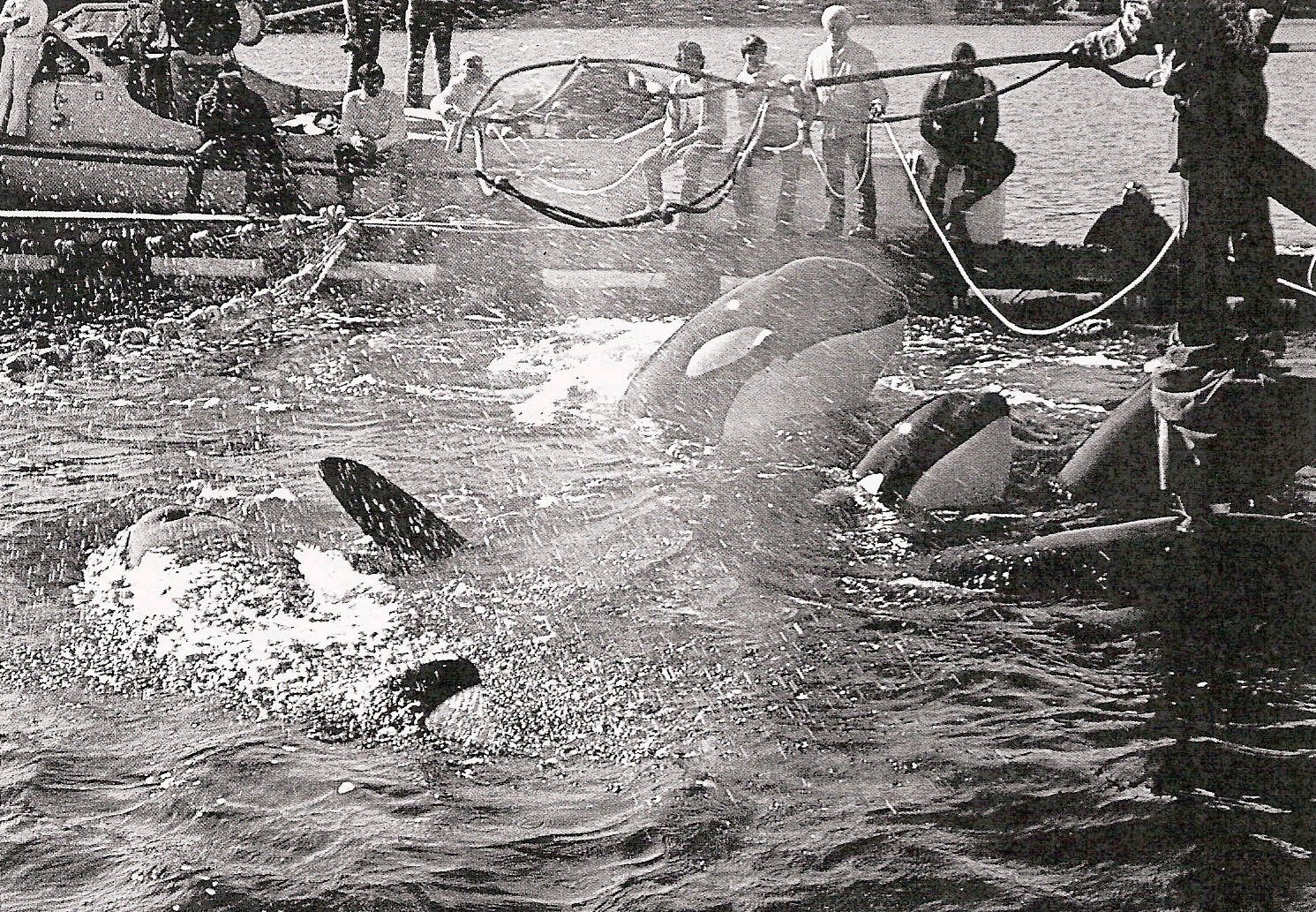
The boats form a v-shaped wall around the family of dolphins. The dolphin hunters then utilize the long metal pole attached to the side of each boat, hammering the flanges on top to create a deafening “wall” of sound. The banging sound terrifies the dolphins, causing them to swim away from the sound, in the direction of the driving boats – driving them straight toward the Cove.

The hunters chase the dolphins toward Taiji Harbor until they have been forced into shallow waters, following the coastline into the Cove. Once successfully driven into the Cove, the dolphins are netted into the small shallow area. Hunters arrive in small hand motor-powered skiffs to work side-by-side with dolphin trainers to select dolphins for a life in captivity. The skiffs are also used to force the dolphins onto the rocky shore of the cove, segregate the family pods, and to transport the dead bodies of those slaughtered to the butcher house.


The Killing Process

Entire extended family units – pods – are caught this way.  Elders, adults of reproducing age, pregnant females, juveniles and babies are all driven into the cove. Sometimes the pod will escape the boats, or some dolphins will get away as a pod is separated, successfully evading death or a life of imprisonment., However, more often than not, the entire family unit is driven into the killing cove – multiple generations wiped out in a single hunt.

Once the dolphins are netted within the cove, their fate is sealed. The captive selection and slaughter process commences.

Marine mammal trainers from the nearby Dolphin Base (swim-with-dolphin program), Hotel Dolphin Resort (live dolphin show) and from the Taiji Whale Museum (and live dolphin show) will often join the dolphin hunters in the shallow waters of the killing cove, selecting individuals – the “prettiest” and “juvenile” dolphins without scars or visible flaws - for the captive entertainment industry. Sometimes, the remaining dolphins will be released, but most often, they are all brutally slaughtered for human consumption. No compassion is shown, as grandparents, parents, pregnant females, and babies are all killed. 

When the Academy Award-winning movie “The Cove” was filmed, the dolphins were killed by spear thrusts. This resulted in a massive amount of blood spilling into the water, turning the cove from a peaceful blue to blood red.

More recently, in an effort to reduce the amount of blood spilled into the water and into the sight of the world, the hunters use a killing technique known as “pithing.”

A metal rod is hammered into the spinal cord of the dolphins, causing paralysis.

The dolphins are still conscious, breathing and struggling as they watch their families slowly die. In the case of larger pods, a blood-filled cove is still seen and documented by the Cove Guardians. Simultaneously, the dolphin trainers are taking part in the live capture process; here we are shown the direct, bloody link between the mass dolphin killings and the captive industry.

The dolphins chosen for the entertainment industry are transported via skiff and sling either to captive sea pens in Taiji Harbor, or straight to Taiji Dolphin Base, Dolphin Resort Hotel or Taiji Whale Museum.

The dolphin hunters then tether the flukes of the remaining dolphins - sometimes several dolphins at once - in order to control and maneuver the dolphins. The panicked animals are then dragged onto the shallow and rocky shore or tethered to the cliff edge.

It has been documented that some dolphins and small whales have taken more than thirty minutes to die. The dolphins struggle in a pool of their own blood and the blood of their families, slowly suffocating and internally bleeding. On several occasions, Cove Guardians have documented dolphins still struggling as their bodies are tethered to skiffs and dragged to the butcher house. This method of killing is far from humane, despite claims from Taiji Fishermen’s Union and Japanese government officials.


The Captive Industry

Death is only the beginning of the suffering for dolphins captured in Taiji. Taiji, Japan is “ground zero” for the international slave trade of live dolphins.

The captive industry has become a billion-dollar worldwide trade, with all money made from the exploitation, imprisonment and lifelong suffering of these sentient beings. It is arguable that the dolphin drive hunts would not even take place if it weren’t for the amount of money made from the lucrative sales of live dolphins. The dolphin drive hunt itself as an operation is expensive. The dolphin hunters make approximately $32,000 USD for each live dolphin they capture.  These figures can skyrocket from $32,000 USD up to $250,000 USD for a trained captive dolphin.

The captive dolphin entertainment industry and the dolphin drive hunt in Taiji are directly and inextricably linked. Buy a ticket to a marine park and you are supporting the slaughter of these innocent, sentient beings.  Supporting a live dolphin show or participating in a confined swim-with-dolphin program anywhere in the world is the same as killing a dolphin in Taiji. 

Sea Shepherd’s Cove Guardians have documented that it is the dolphin entertainment industry that drives the hunt. Well-intentioned marine mammal trainers and members of the dolphin show-viewing public all have the blood of innocent dolphins on their hands.

For the dolphins stolen from their families and sold into captivity, life is beyond unbearable. The dolphins born into a life of captivity exist in prison-like conditions and never know their own ocean. 

It is now illegal in the United States to import a dolphin that has been caught in the wild; therefore the captive-bred dolphin business has exploded. One must wonder how many of the so-called captive bred dolphins imported into the US each year are actually wild-caught.  Even the captive-bred dolphins most likely have close ancestors who were captured in Taiji.

The global aquarium industry’s link to the killing of dolphins and small whales in Taiji is undeniable and unavoidable. Taiji is the international hub for dolphin capture and slaughter.


What You Can Do

The slaughter of 20,000 dolphins, porpoises, and small whales occurs in Japan each year. Starting on September 1st and continuing through March of the next year, fishermen herd whole families of small cetaceans into shallow bays and mercilessly stab and drown them to death.

This annual slaughter of dolphins was virtually unknown until 2003 when Sea Shepherd globally released covertly obtained film and photographs of the now infamous bloody “Cove” in a village called Taiji. Beginning in 2010, and continuing to this day, Sea Shepherd has an ongoing presence of volunteers standing watch on site at the Cove. They are The Cove Guardians.

With your help, we will continue to pressure Japan to end this cruel and destructive slaughter of dolphins. We are passionate, dedicated, and committed - it may take time, but determination will win for the dolphins in Taiji.

We can all make a difference. If you would like your voices to be heard, please contact the respective representatives to tell them the massacre must stop!

Please help us end this slaughter. Your opinion is important – apathy allows this barbaric “tradition” to continue.

  • Volunteer
  • Don't Buy A Ticket


Why I Don't Take My Kids to the Zoo

When I was a kid, I wanted nothing more than to work with animals. Growing up on a "farm" with my parents, running a therapeutic riding clinic along side them, I could think of nothing better than being some kind of animal trainer. Then, I got a taste of what captivity is like for sentient wild animals.

Zoos, circuses, and aquariums use tactful advertising to lead consumers to believe that they are "conserving" species. These places are about profit via entertainment. I don;t want my children to grow up thinking animals are here for their pleasure. I know going to a theme park makes for a great day of fun, after all I was a child once, and my parents took me with the best intentions. However, knowing everything I know now, I couldn’t possibly bring my future child into a place that represents fun for humans and suffering for animals.


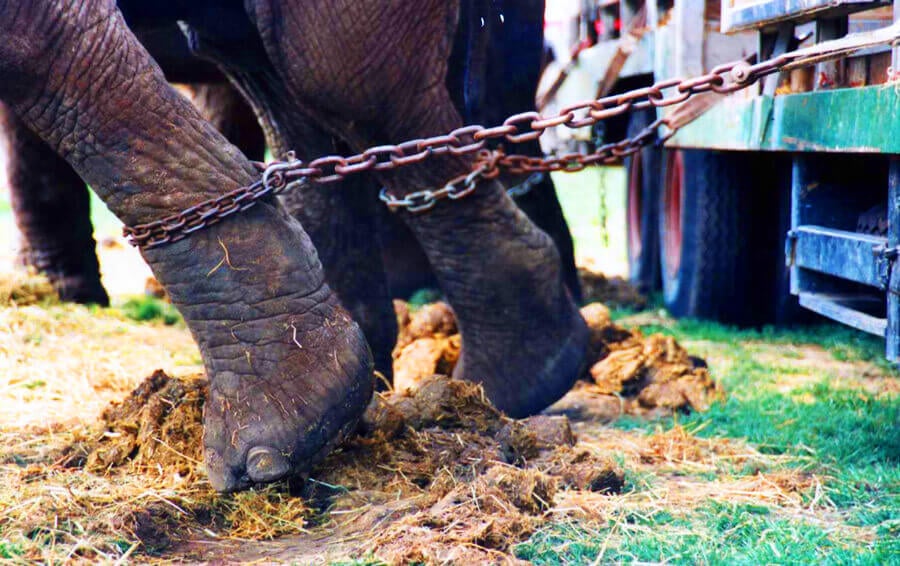
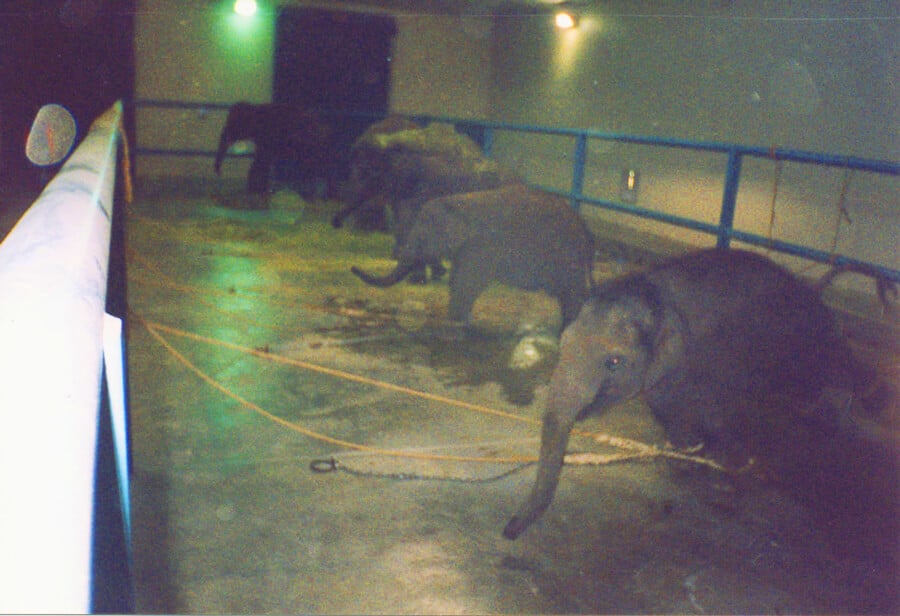
Sure, baby elephants look adorable balancing on a ball, but that poor elephant has been tied and whipped into submission in order to get that trick down. The wild cats and small mammals have been caged, overcrowded and neglected while being transported in unsanitary trucks to their next performance, or they're being kept in cages not even 1/10th of the size they might roam in the wild. Babies are ripped from their mothers far too soon to be sold off to other animal jails. The sad truth, is that these seemingly cute animals are not happy. They don’t want to perform, and they are isolated from their kind. Even when big efforts are made to fake a natural environment, their enclosures are far too small, and they have a limited and depressing life.


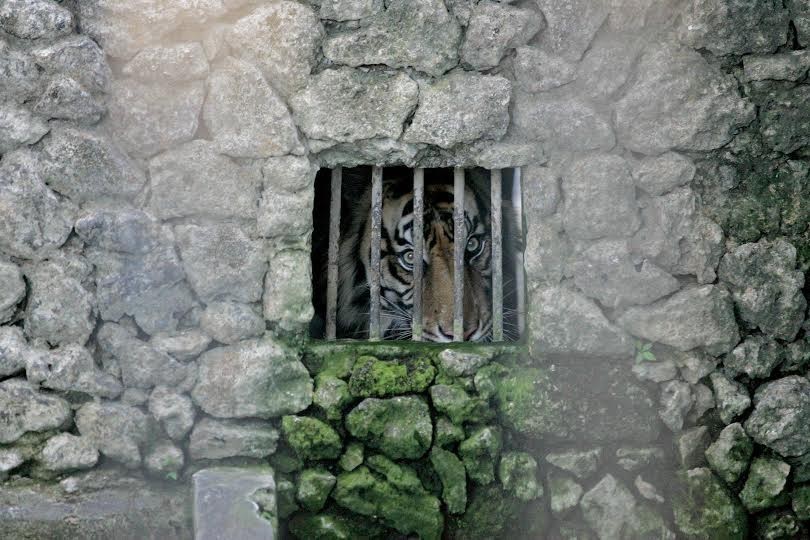
Despite their professed concern for animals, zoos can more accurately be described as “collections” of interesting animals than as actual havens or homes. Even under the best of circumstances at the best of zoos, captivity cannot begin to replicate wild animals’ habitats. Animals are often prevented from doing most of the things that are natural and important to them, like running, roaming, flying, climbing, foraging, choosing a partner, and being with others of their own kind. Zoos teach people that it is acceptable to interfere with animals and keep them locked up in captivity, where they are bored, cramped, lonely, deprived of all control over their lives, and far from their natural homes.


The average child knows more about dinosaurs than they know about monkeys. You don't need to put animals in cages to educate the world about them. Live animal feeds, animal sanctuaries, wild life rescues, and safaris are all much better alternatives to tapping on the glass of some poor animals cage. You can go here for more info on how animals all over the world are suffering from captivity.


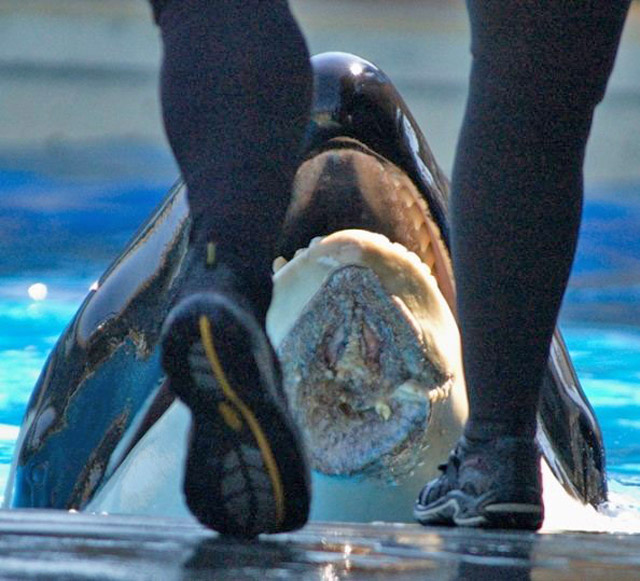
Orcas were ripped from the wild on hunts, from families that mourn them in the wild. Their pods forever miss them, and they never get over being separated from their loved ones. Once in captivity they are forcibly bred, isolated from their families, and condemned to live in overcrowded treated water tanks. Dolphins, highly sensitive creatures, are available to the public in petting pools, where they can be exposed to bacteria and stress, causing ulcers which they then need to be treated for. Their intelligence is used against them to provide cheap tricks for an audience, during which they can incur injuries, or even death. What's worse is that the majority of these dolphins are bought from Taiji. You can read more about their barbaric hunting practice in my blog post here.


I save the money I would spend on overpriced entry tickets, and will take my family to animal sanctuaries and wild life rescues. I will teach them that we should save, rescue, care for, and protect animals. I want to teach my children to be kinder than my generation is. I want them to be so selfless, that they want to stop the unnecessary suffering of an animal before they feel the need to be entertained. I want them to stand up for the defenseless, and to not buy into what media and advertisement sells them, just because everyone else does. I want them to question things before they believe it, or at least research it before they decide it’s for them.


If you feel like I do, that animals in captivity are being treated inhumanely, and a simple google search can give you plenty of proof, please join me in emptying the tanks.

Monday, June 6, 2016

Key Sites to Build Your Personal Brand

So by now you may have realized I'm huge on social networking. Channel your inner internet attention whore and get a profile up on these sites stat. Millenials have something major working in our favor here. We know how to network. Personal branding is important. Make a name for yourself on the data highways, and make sure your google search results do you justice.

Facebook:

First things first, make your profile private, logout, and view it. Go over it with a fine tooth comb. What do you "like"? Any embarrassing likes left over from Highschool/college years? Make sure you change the settings on embarrassing/incriminating photos. I know the memories may be precious to you, but a future employer doesn't want to see photos of you doing keg stands at the frat party senior year. I personally don't really use Facebook to network professionally beyond making friends with my colleagues.

LinkedIn:

If you don't have LinkedIn yet there's a problem. It doesn't matter what kind of professional you are, this one is a must.

Medium:

If you publish content at all, medium is for you.

About.me:

Your address on the web where you can direct people to what matters most to you. About.me is one of the top results on google when someone searches your name so it's worth filling out a profile.

Branded.me:

This website also allows you to publish content and connect with other users, like a more long winded twitter.

A personal website:
Having a personal website for yourself is one of the best ways to rank for your name on the search engines. It doesn’t need to be robust. It can be a simple two to three page site with your resume, link to your social platforms, and a brief bio. You can always expand on the website with time. GoDaddy and other hosting sites frequently offer deals on domain names. These guys are currently offering 50 cent domains.

knowem:

It’s a tool that searches for how your name or brand is being used by others on social media, domain names and even in the USPTO trademark database.

Twitter:

There are a lot of plug-ins that allow you to auto-generate statuses and link content thru Twitter. The more you post the more people pay attention.

Google:

Google yourself and setup alerts for your name on a regular basis. Have a fairly common name? Consider using your middle initial or middle name to differentiate. Cultivating a strong personal brand is just as much about being responsive to what is being said as it is about creating intellectual property.

An additional note here is to join Google+ groups.

Additional notes:

1. Stay active
2. Create a consistent look and feel.
3. Reserve your name everywhere (even if the site isn't of use to you right now)
4. Develop a strong positioning statement. 
5. Store links of all your social media profiles in a spreadsheet.
6. Limit your areas of "expertise" to around 3 key items. 
7. Define and pursue an objective.


BattleBorn Review

Introduction

So since it's launch, BattleBorn has been my husband and I's favorite game to play together. I love everything about it (except for the split screen map). The graphics are awesome much like Borderlands, gory comic-book style. The catch phrases shouted by the playable characters are amazing. "INAPPROPRIATE GESTURE". The character selection is awesome regardless of your playing style.

Characters

My husband is a huge Oscar Mike fan. Seriously he's played atleast 95% of the game as one character. I have more eclectic taste and have taken to Mellka, Alani, and Montana as well as a few others. The aptly named "heroes" are all unique and have great backstory's to keep you enthralled. Here are a few of my favorites. You can see a complete overview here.

Alani:

Raised as a healer, but forced to be a warrior, Alani is all that remains of her order after Rendain’s Imperium stole the oceans from her world. Through meditation, intense focus, and warranty-breaking
misuse of water-soluble nanotech, she can summon tidal waves with the flick of a finger.


Galilea: 

Warped by a corruptive agent in a mission against the Jennerit, Galilea endured hundreds of years of
self-imposed exile on Bliss before joining the Battleborn. The darkness within her is both her greatest strength and most profound struggle.


Mellka:

Born as a refugee, Mellka was raised and trained among an aggressive Eldrid commando group known as the Vigilant.  Proficient at several combat styles, but prefers exotic weaponry such as her biologically-active Eldrid gauntlet, now permanently fused with her left hand.


Montana:

When he’s not clotheslining bears for fun, Montana can be found suppressing enemies with his fearsome minigun and soaking up industrial-sized buckets of hurt on behalf of his comrades. Self-appointed morale officer of the Battleborn and friend to all.

Oscar Mike:

A discarded clone soldier from a long-forgotten war, Oscar Mike is a capable front-line fighter,
engaging enemies at range with his assault rifle, cloaking for quick exits from tight spots, and inspiring his allies with his... unconventional
personality.


The Story

Set in space, Battleborn tells the story of a number of different alien species, all of which have fled to Solus, the last star in the galaxy. Though divided at first, the different species are forced to unite against a common enemy, the Varelsi. You play as any one of the "Battleborn" they've sent out as a last resort to save the universe. 

Battleborn is a "genre-fused" game—infused with several elements from FPS and MOBA games. I was a little hesitant about the genre fusion, because the last time I got my hopes up about an FPS with a storyline, Destiny happened, I was sorely disappointed, and bored. I'm happy to announce that this time was completely different. 


The Visuals

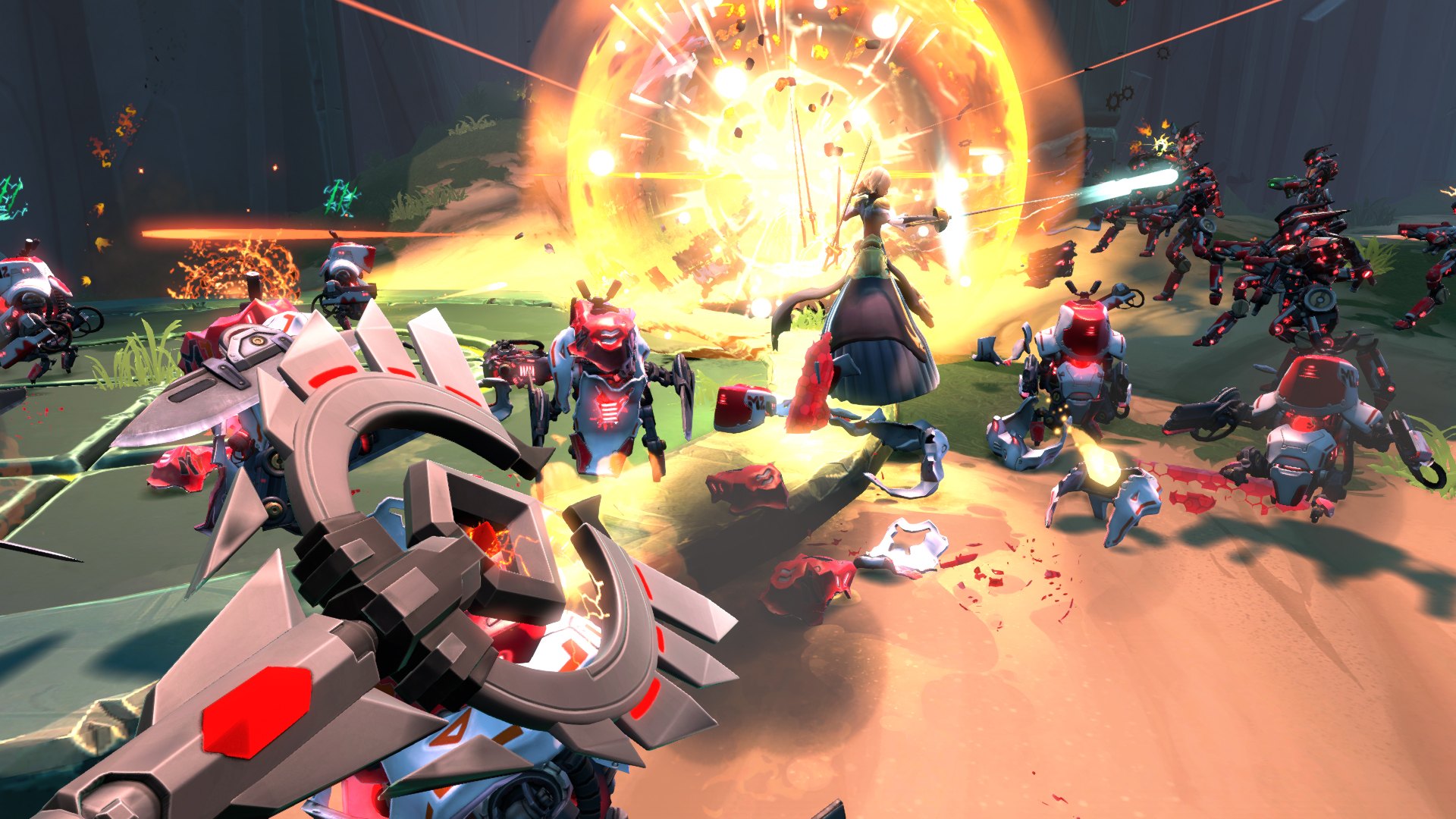
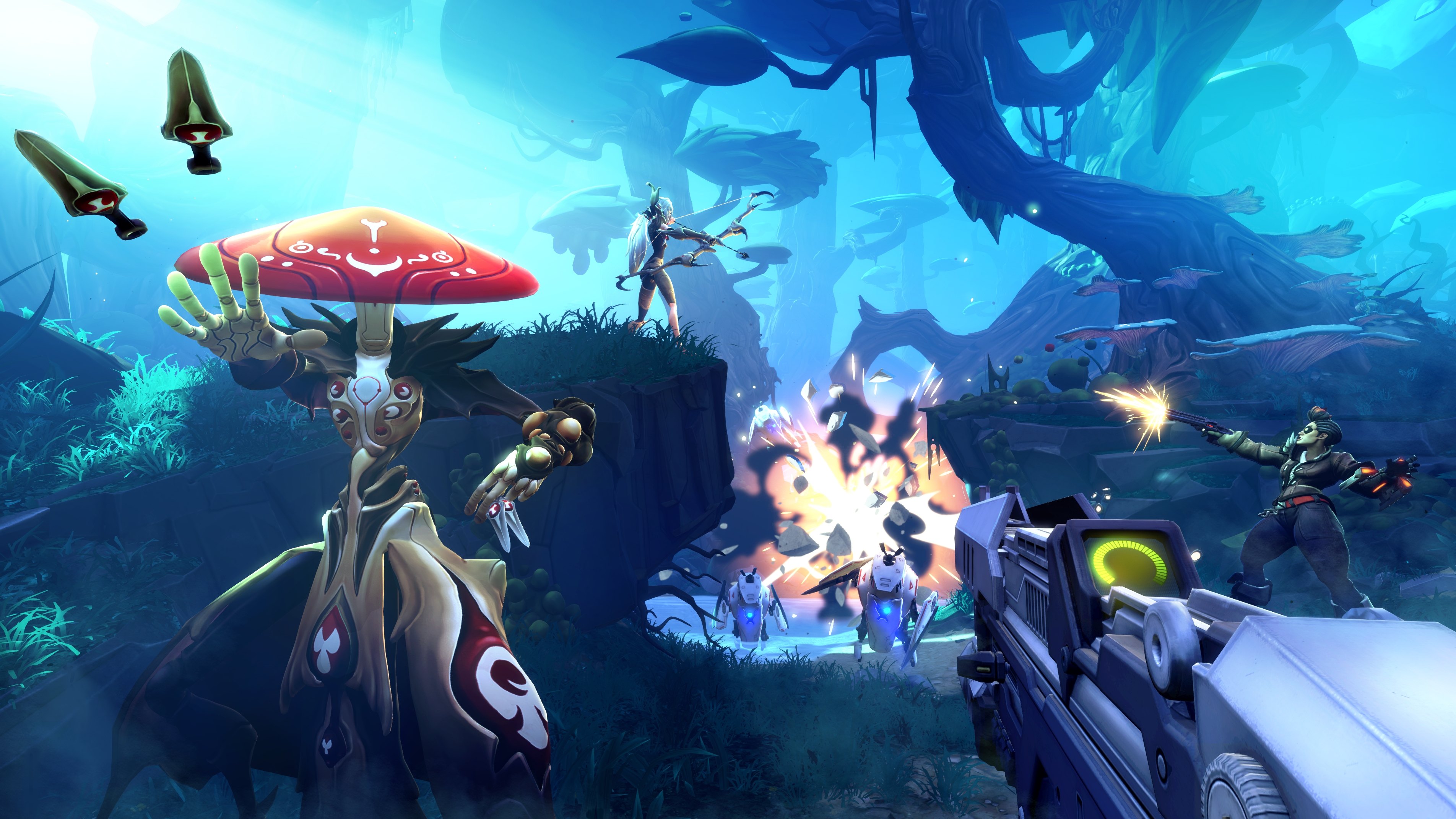
The game may look familiar to fans of Gearbox's last game franchise, Borderlands. That's because it has a very similar visual style. The cartoon/graphic novel style worked perfectly for Borderlands, and it works the same for Battleborn!

Battleborn's visual style also takes inspiration from the CGI used in Pixar movies. Unsurprisingly, the Borderlands style mixed with the Pixar-ish style blend wonderfully, creating a very good looking game!


Co-Op

My dearest gearbox, thank you thank you thank you. We all remember the good old days, when you and a friend or family member could sit on the same couch and go head-to-head in viscous "no screen-cheating" local combat! It was even better when you and the person next to you could work together and take on your mutual enemies,

Not a lot of games have that anymore, focusing solely on online multiplayer, and leaving local splitscreen completely out. Playing online is fun and all, but it doesn't even come close to the type of intimate gameplay that comes with being right next to your opponent and/or teammate!

That being said, fix the co-op map. Seriously, it does not need to take up this much of my screen. I'd like to see what I'm doing instead. Did your developers learn about opacity in their programming schools?


Online Multi-Player

Ok I'll be honest, I only played the online multi-player once. Sorry, I don't like human beings very much and the douchecanoes I got matched with re-enforced my belief that the world is full of scum. But my husband plays it sometimes and seems to enjoy it so... I don't know, play for yourself and make up your own mind I guess. Or read this article at IGN.


Conclusion

Battleborn is awesome. Absolutely worth buying and playing. The way the characters level up and the rate at which gear drops makes the competitive aspect just as great as the storyline. Enjoyable for everyone age 12 and up!


5/5